
Module 6, Unit 1 – Nature Nurture in Action
This week in our Nature Nurture in Action course, we begin Module 6: Additional Support Needs in Nature Nurture and also ask the question: Isn’t it time we start reframing disability?
Over the next few weeks, our Nature Nurture Practitioners will explore ASN in depth — not simply as a category of provision, but as a way of thinking about children, difference, and belonging.
We begin with something deceptively simple: Language.
The Shadow of the Deficit Model: Reframing Disability
The words deficit, impairment, disorder, and even the prefix “dis–” sit heavily when spoken aloud, yet they remain embedded in everyday professional language across UK schools.
Much of this originates in what is known as the medical model of disability, which positions the “problem” within the child. UK research shows this framing strongly influences how SEND is interpreted and acted upon within schools. [inclusiveteach.com]
We hear deficit‑laden terminology everywhere:
- “Attention Deficit Hyperactivity Disorder”
- “Autistic Spectrum Disorder”
- “Triad of Impairments”
- “Global Developmental Delay”
Even the term “disability” implies an absence of ability.
The medical model remains important for diagnosis and securing access to support — but it also shapes identity.
What Happens When Identity Is Framed as Deficit?
How does it feel for your identity to be described primarily in terms of what you cannot do?
How does it feel as a parent to hear that your child has a deficit, disorder, or impairment?
Disability Rights UK emphasises that language is never neutral. It carries cultural assumptions and can reinforce stigma or promote dignity depending on the model it echoes. [naeyc.org]
Language shapes identity.
Identity shapes self‑esteem.
Self‑esteem shapes participation.
When we focus only on what a child cannot do, we shift responsibility away from systems and towards the individual child. We risk missing key systemic contributors:
- sensory overwhelm
- rigid routines
- inaccessible curriculum design
- environmental noise
- lack of relational safety
This is where the social model of disability provides a powerful, humane alternative.
The Social Model: Shifting the Lens
The social model does not locate difficulty within the child. It asks:
What barriers in the environment, culture, or systems are disabling this child?
Rather than trying to “fix” a child, it emphasises:
- removing environmental barriers
- reframing behaviour as communication
- building relational safety
- adapting expectations
- offering flexible pathways to participation
Guidance from the National Education Union highlights that implementing the social model requires structural change, not merely classroom strategies. Schools must adjust culture, curriculum design and attitudes to meaningfully reduce barriers. [www2.educa…vic.gov.au]
This model aligns with relational pedagogy and strengths‑based practice.
And this is not just relevant for targeted intervention.
It matters for every school.
Why Reframing Disability Matters Beyond ASN
Inclusion is not a department.
It is not a doorway.
It is not a label.
It is a culture.
Bradford Research School notes that shifting from medical‑model thinking to a social‑model lens transforms how educators interpret difference and belonging — fostering dignity and reducing stigma.
When we change our lens:
- The “challenging” child becomes a child overwhelmed by noise.
- The “disengaged” learner becomes a child whose curiosity has yet to be ignited.
- The “non‑compliant” pupil becomes a child protecting themselves from emotional overload.
Reframing disability doesn’t deny real need.
It honours identity.
We need the medical model to secure support. But we need the social model to secure dignity.
The Outdoors as an Enabling Space
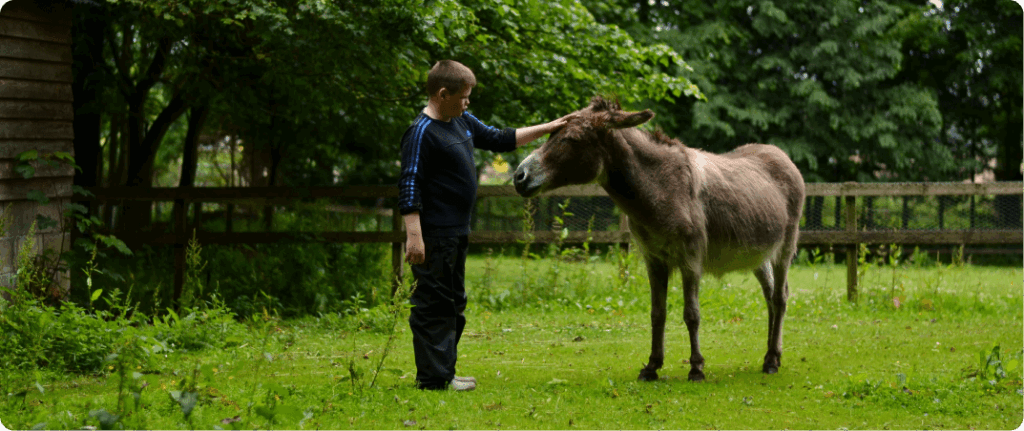
I often say (only half‑jokingly) that being outdoors isn’t the answer to everything — just most things.
Outdoors:
- there is more room for movement
- noise disperses naturally
- sensory regulation happens organically
- learning becomes co‑created
- strengths become visible
A child struggling indoors may demonstrate leadership outside.
A child overwhelmed by writing may thrive in hands‑on enquiry.
A child feeling “less than” may feel capable and confident outdoors.
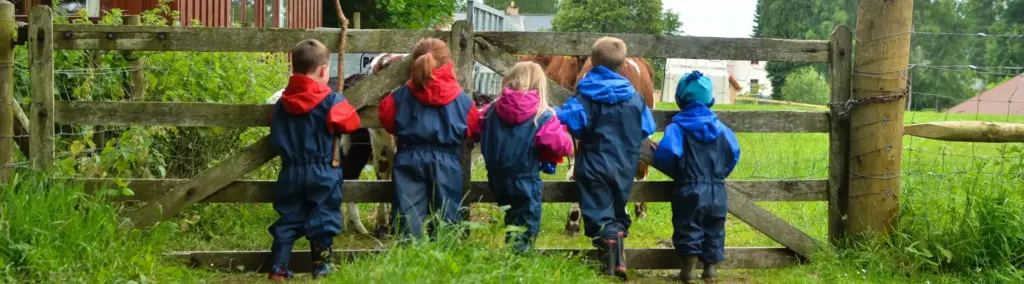
When we co‑create learning with children in natural spaces, we move from control to collaboration.
Collaboration builds belonging.
Inclusion as Lived Experience
In Module 6, we invite practitioners to reflect:
- How does my language frame the child?
- Where are the barriers in my setting?
- What assumptions am I holding?
- Whose voice is centred in decision‑making?
Inclusion is not achieved by labels.
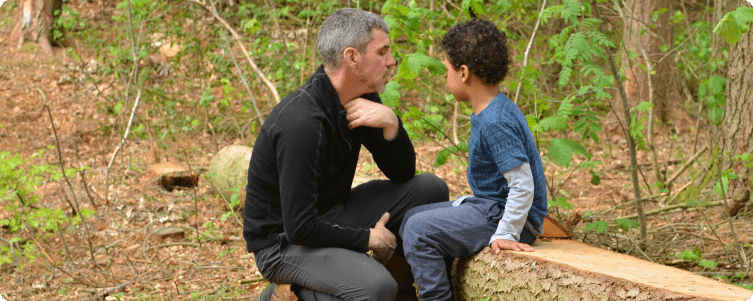
It is lived through moments:
Moments of dignity.
Moments of participation.
Moments of being understood.
Reframing disability is not political correctness — it is identity affirming.
And identity matters.
Learn More
Explore how relational pedagogy, outdoor learning and strengths‑based approaches can transform your setting:
👉 Nature Nurture Approach & Courses
👉 Training & Consultancy Support