
When Anxiety Takes Over: How Nature Nurture Helps Children Feel Safe Again

In Module 6 of our Nature Nurture in Action programme, our practitioners turn their attention to children who live with anxiety.
And not the ordinary, everyday nerves and worries most of us recognise.
But the kind of anxiety that sits heavily in a child’s body.
The kind that colours their thoughts.
The kind that follows them into school, into friendships, into sleep.
All children feel worried sometimes — starting school, moving house, changing teacher. That is part of development.
But for some children, anxiety becomes overwhelming.
It interferes with learning, friendships, sleep, appetite and participation.
For some, it is part of autism, ADHD, trauma or attachment difficulty.
For others, it may sit within generalised anxiety, separation anxiety, phobias or depression.
And often, it is invisible.
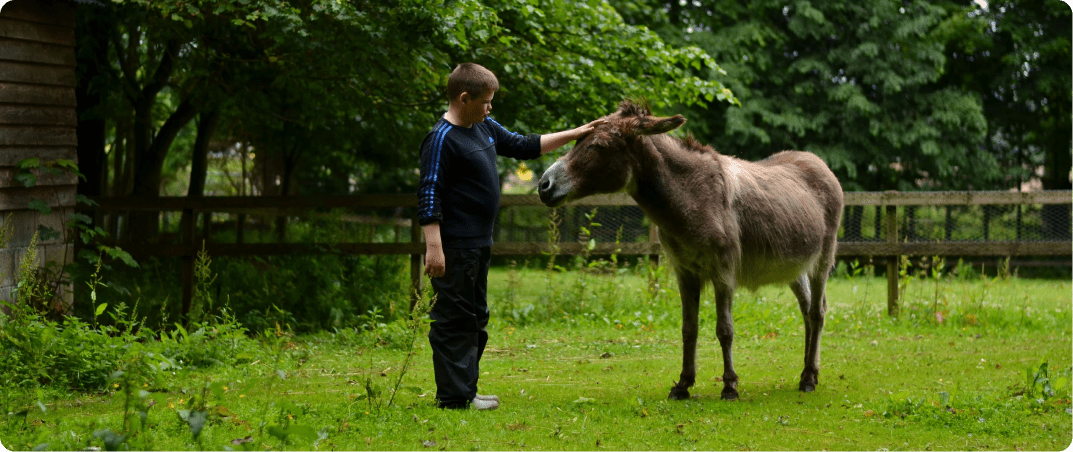
What Anxiety Looks Like in Children
Children rarely say, “I am anxious.”
Instead, we might see:
- Tummy aches and headaches
- Sleep difficulties and nightmares
- Irritability or tearfulness
- Difficulty separating from carers
- Constant reassurance seeking
- Anger that seems disproportionate
- Withdrawal or disengagement
- Difficulty concentrating
- Fidgeting, tension, frequent toilet trips
- Refusal to attend school
When anxiety rises, a child’s window of tolerance narrows. Their nervous system is on alert. Small problems feel enormous. Language processing becomes harder. Thinking clearly becomes harder.
And because children have fewer words for their fears, their anxiety often appears as behaviour.
This is why, in Nature Nurture, we ask practitioners to observe carefully and without judgement.
Then we ask two powerful questions:
Why?
Why now?
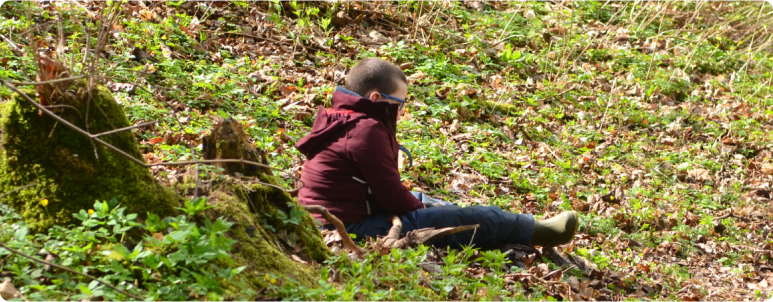
How Nature Nurture Supports Anxious Children
Nature Nurture does not “fix” anxiety.
But it can transform a child’s experience of it.
Here’s how.

1. Safety Comes First
Fear is soothed by safety.
An attuned, consistent, dependable adult provides a secure base. Until that relationship is established, no strategy will work.
For an anxious child, safety might mean:
- Staying close to a trusted adult
- Leaving an overwhelming space
- Having access to a predictable safe spot
- Walking together outdoors
Green and blue natural spaces have been shown to reduce stress. Walking and talking in nature helps restore calm. The rhythm of movement regulates the nervous system.
Before we teach coping strategies, we create safety.

2. Reframing the Behaviour
Is irritability actually fear?
Is refusal actually overwhelm?
Is clinginess actually separation anxiety?
When we reframe behaviour as communication, our response changes.
And when our response changes, the child’s experience changes.

3. Identifying Stressors
Drawing on Dr Stuart Shanker’s Self-Reg framework, we consider five domains of stress:
- Biological
- Emotional
- Cognitive
- Social
- Prosocial #
Is the anxiety linked to physical discomfort?
Fear?
Cognitive overload?
Friendship difficulties?
Worry about someone they love?
Or is it caused by multiple stressors or triggers?
Nature offers physical space to move away from triggers. Gentle rhythmic activities — walking, swinging, rocking — reduce stress chemistry in the body.

4. Reducing and Removing Stressors
When children are calm and alert, we explore triggers together.
Not during meltdown.
Not in crisis.
But in moments of regulation.
We help them notice:
“What made me feel that way?”
“What was happening in your body?”
“What helped?”
“What made it worse?”

5. Restoring Energy
Anxiety is exhausting.
After dysregulation, children need restoration:
- A drink
- Food
- Quiet
- Movement
- Time
Being outdoors often restores energy naturally. Green in nature soothes. Natural sounds regulate. Rhythm resets balance.

6. Helping Children Recognise Calm
Many anxious children do not know what calm feels like.
So we help them notice it.
“When you were swinging in that hammock, your body looked relaxed.”
“I can see your breathing is slower now.”
We label calm.
We help them recognise that feeling of calm in their body.
Over time, they begin to recognise early warning signs — the tightening chest, the racing thoughts — before overwhelm takes hold.
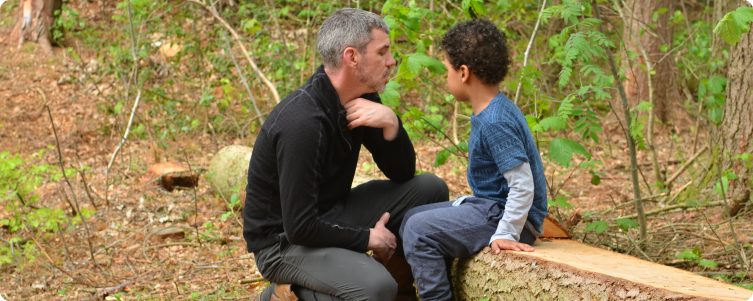
The Power of Rhythm and Routine
Anxiety feeds on unpredictability.
Nature Nurture sessions follow a clear, visual routine. Predictable rhythms create reassurance.
Rhythmic activities restore regulation:
- Walking
- Drumming
- Clapping games
- Singing
- Swinging
- Tool work
Rhythm steadies the nervous system.

Working Together
Supporting an anxious child is not a solo endeavour.
We communicate with carers and professionals. We share what works outdoors. We listen carefully to lived experience.
Anxiety can feel enormous to a child.
But with:
- Safety
- Attunement
- Reduced stress
- Predictable rhythm
- Time in nature
The world can feel manageable again.
And sometimes that is enough to begin.

If you would like to learn more about how the Nature Nurture Approach supports children with additional support needs, you can explore our training options here: 👉 https://salugen.uk/courses-events