
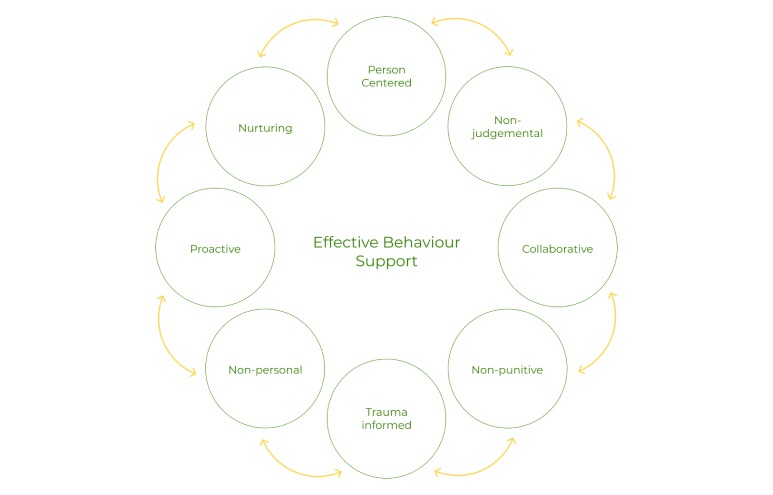
Understanding and Supporting Behaviour: Listening Beneath the Surface

I’m currently preparing for the final session of our Understanding and Supporting Behaviour module with the latest cohort of Aberdeenshire Council’s Nature Nurture Practitioners. As we reach the end of this module, I’m struck by the depth and quality of the conversations we’ve shared over recent weeks.
Together, we have been exploring how to observe children’s behaviour with non-judgement and with what we often describe as “soft eyes” — the stance of the compassionate enquirer who gently asks:
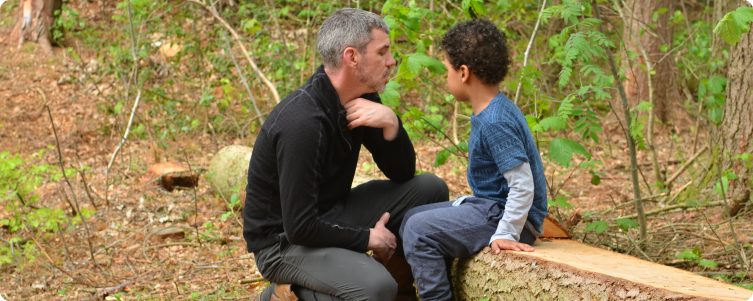
“What is it you are trying to tell me?”
“Why are you telling me this now?”
This shift in perspective moves us away from viewing behaviour as something to be corrected or controlled, and towards understanding it as communication — often emerging from a place of stress, overwhelm or unmet need.
A key focus of our work has been understanding the nature of human stress and identifying the triggers that can lead to dysregulation. Sometimes there is a single, identifiable trigger. More often, children experience multiple interacting stressors — both internal (such as anxiety, sensory overload or emotional fatigue) and external (changes in routine, relational strain, environmental demands).
Recognising these patterns allows adults to offer meaningful support in the moment — by removing, reducing or moving away from triggers — while also providing vital information for calmer, reflective conversations later. It is in these regulated moments that children and adults can work together to co-create strategies for managing stress more effectively.
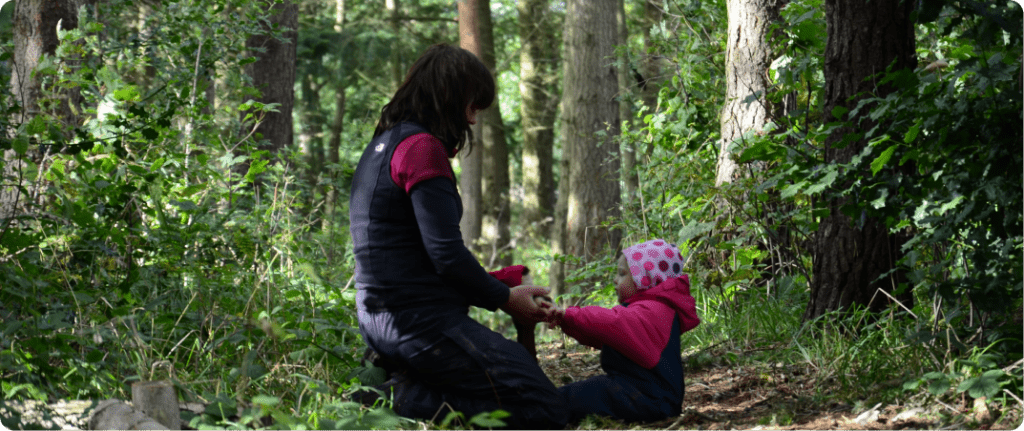
These reflections form the foundation of a Behaviour Support Plan. At its heart, an effective plan is not something done to a child, but something created with them. It is developed by a trusted, safe adult who has a nurturing relationship with the child, alongside the child themselves.
This process of co-creation ensures that the child:
- feels heard, seen and respected
- has ownership over their strategies
- receives a clear message: “We believe in you and your capacity to manage big feelings.”
Observing behaviour without judgement, empathically recognising triggers, and supporting children to develop strategies for overwhelming experiences is, in itself, an empowering and healing process. The resulting Behaviour Support Plan becomes essential reading for all adults who spend time with the child — and a powerful tool for helping the child feel recognised, respected and supported to regulate.
If you would like to learn more about:
- Nature Nurture in Action training for practitioners
- our Nature Nurture Approach course for teachers and early years professionals
- or effective, compassionate approaches to understanding and supporting behaviour in your group, classroom or family setting