

In Understanding and Supporting Behaviour, one of the most powerful shifts we can make is learning to listen beneath the surface.
When we begin understanding and supporting behaviour as communication rather than misbehaviour, we create opportunities for inclusion, empathy and emotional safety. A 2025 study shows that children’s behavioural responses are shaped directly by emotional skills, stress and relational context, reinforcing the vital role of attuned adults. Read the research [naeyc.org]
I’m currently preparing for the final session of our Understanding and Supporting Behaviour module with the latest cohort of Aberdeenshire Council’s Nature Nurture Practitioners. As we reach the end of this module, I’m struck by the depth and quality of the conversations we’ve shared over recent weeks. These practitioners bring real commitment, curiosity and reflection, and it is in this kind of relational learning community that meaningful shifts in practice truly emerge.
Together, we have been exploring how to observe children’s behaviour with non‑judgement and with what we often describe as “soft eyes” — the stance of the compassionate enquirer who gently asks:
“What is it you are trying to tell me?”
“Why are you telling me this now?”
This simple reframing is transformative. Instead of viewing behaviour as something to “fix,” we start to see it as a message — sometimes a whisper, sometimes a shout — signalling an unmet need, emotional overload or stress response. When adults hold this lens, a child’s behaviour becomes easier to interpret with empathy, and we are far more likely to respond in ways that support regulation rather than escalate overwhelm.
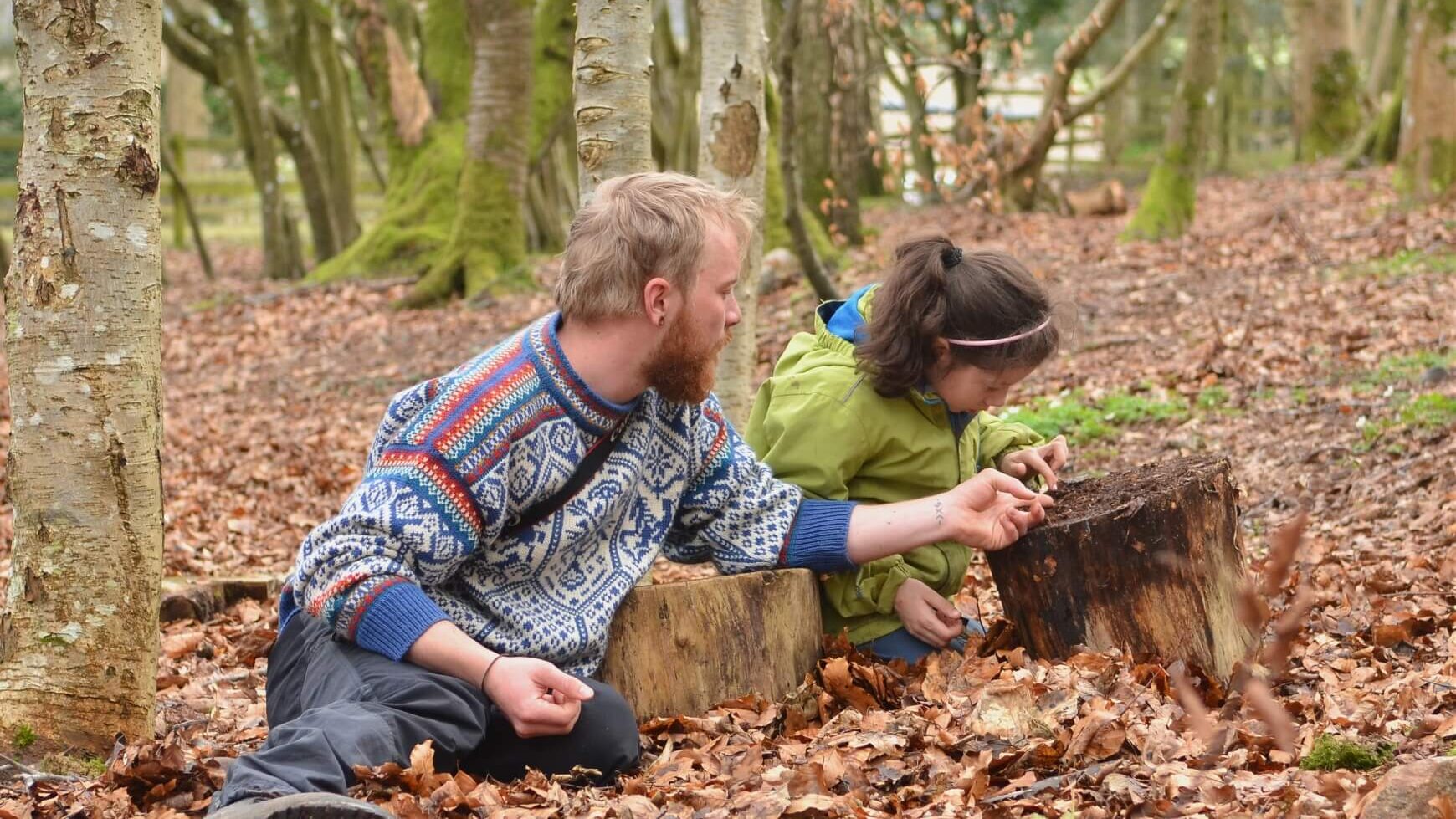
Understanding and Supporting Behaviour: Stress and Triggers
A key element of understanding and supporting behaviour is recognising how stress and triggers influence children’s responses. Sometimes a single cause stands out clearly. More often, though, children are navigating multiple interacting stressors. These can be internal — anxiety, sensory overload, hunger, tiredness — or external, such as environmental noise, changes in routine, relational tension or transitions that feel too fast or unexpected.
Sector‑leading guidance emphasises that what adults perceive as “challenging behaviour” often reflects distress or unmet needs rather than intentional disruption. Children communicate through their actions, especially when they do not yet have the emotional vocabulary or regulation skills to express themselves differently. Explore NAEYC’s guidance [frontiersin.org]
By attuning to these patterns, adults can offer behaviour support in the moment — by reducing triggers, slowing the pace or providing a regulating presence. These small adjustments often make the difference between escalation and connection. Over time, noticing these micro-patterns provides valuable information for planning ahead, anticipating stress points and developing collaborative strategies.
This reflective process forms the foundation of a Behaviour Support Plan. An effective plan is not something done to a child but something created with them. It grows from a trusting, attuned relationship in which the child feels safe enough to express their needs openly. Co‑creation gives the child ownership and communicates a powerful message: that their experiences matter and their voice has value.
A strong Behaviour Support Plan ensures that the child:
- feels heard, seen and respected
- has real agency in shaping their strategies
- receives consistent messaging and support across adults
- is encouraged to recognise their strengths and build self‑regulation at their own pace
Understanding and Supporting Behaviour: Empathic Observation
Empathic observation is central to understanding and supporting behaviour. It involves slowing down, watching for subtle cues, and listening to what the child’s nervous system may be expressing even when their words cannot. This kind of attunement helps adults identify a child’s stress signals early, enabling us to intervene with calm, supportive presence rather than correction.
A U.S. Department of Education report highlights that co‑regulation with consistent adults significantly enhances children’s emotional regulation, stress tolerance and behavioural outcomes. When children feel held in relational safety, they become more willing to explore, take risks, repair mistakes and develop emotional literacy.
Read the full report [researchgate.net]
Over time, adults who practise empathic observation become more skilled at tuning into what lies beneath behaviour — the story behind the action. This deep attunement is what truly enables children to feel understood, supported and regulated.
Deepening Your Practice: Nature Nurture Training
To learn more about the principles underpinning Understanding and Supporting Behaviour, you may find these resources helpful:
• Nature Nurture in Practice Training
Explore our immersive, relational training designed for professionals
👉 https://salugen.uk/nature-nurture-a-pathway-to-resilience/
• Nature Nurture Approach Course
For teachers, early years practitioners and those seeking inclusive, nurturing frameworks
👉 https://salugen.uk/the-nature-nurture-approach-course/
• Training & Consultancy Support
Discover how we support teams, settings and organisations in embedding inclusive, compassionate behaviour strategies
👉 https://salugen.uk/training-and-consultancy/
Our training and consultancy services are grounded in the values of Understanding and Supporting Behaviour, helping practitioners create environments where children feel safe, understood and genuinely supported to flourish.