
Pushing the Cart Up the Hill: How Confidence Really Grows

Categories
Tags
Have you ever cursed yourself for making a mistake and said words like “stupid” out loud?
I’ll hold my hands up straight away and admit it – I’m rubbish at modelling self-belief sometimes.
Many of the children we’ve met over the years who have been referred to Nature Nurture have experienced repeated failure that’s left a legacy of destructive self-talk and low self-esteem.
In Nature Nurture we’re in the business of helping children build resilience. But that raises an uncomfortable question: why does it matter how I talk to myself – both internally and out loud?
The Nature Nurture in Action course is designed for practitioners who support children struggling socially and emotionally, in school and at home. This week’s session turns to self-esteem and growth mindset – topics that matter for all children (and, if we’re honest, for most adults too).
So how does the Nature Nurture Approach support the development of self-esteem, confidence and a genuine growth mindset?
Over recent decades, thinking about self-esteem has shifted. We’ve moved away from the idea that children simply need to feel good about themselves, towards a deeper understanding of what really supports wellbeing: feeling capable, connected and valued.
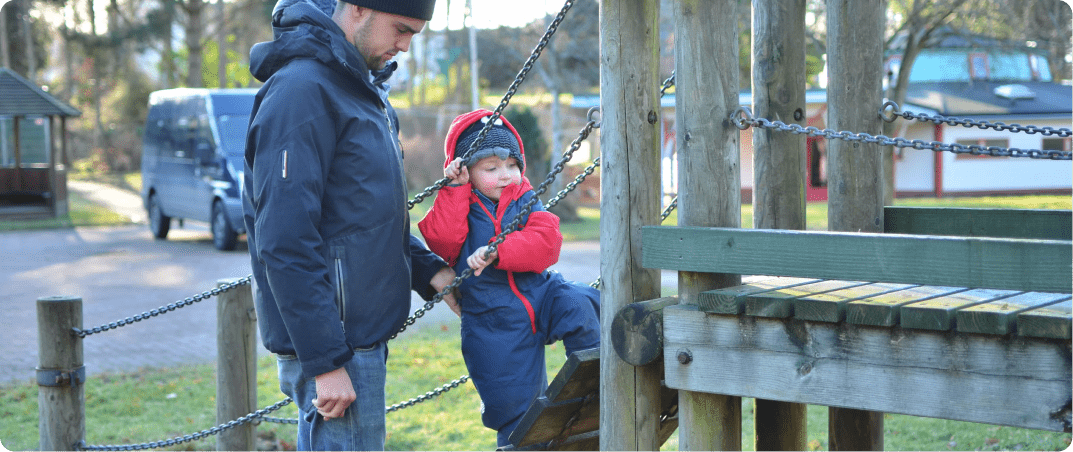
In Nature Nurture, all intervention begins with relationship. We work with children to create a secure base – a place of trust, reliability and emotional safety. From this secure base, children can begin to dare: to have a go, to test themselves, and to risk getting things wrong.
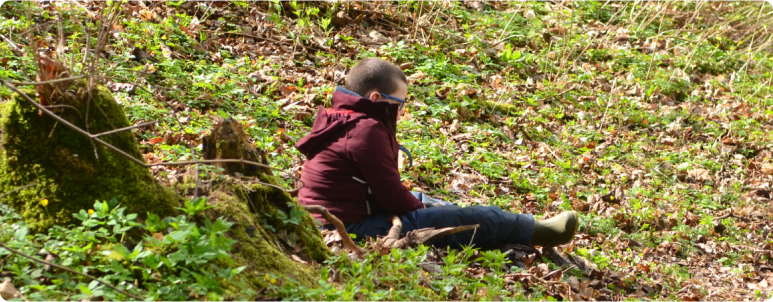
Knowing that someone has your back makes all the difference. Secure relationships allow children to think:
“I might mess this up – but I won’t be abandoned if I do.”
Over time, this becomes an internal working model:
I am capable. I am worthy of care. I belong. I am human, and mistakes help me grow.
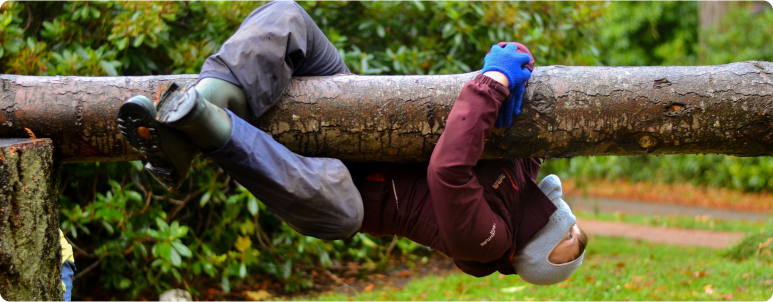
Outdoor experiences play a powerful role here. Natural settings offer low-stakes challenge, repetition and visible progress – building a den with friends, climbing a tree, lighting a fire to cook a snack. These are real tasks with real outcomes, where effort matters and learning is tangible.
Psychologist Albert Bandura emphasised that self-efficacy grows when children successfully tackle manageable challenges, gradually building confidence through experience. Nature offers exactly this kind of learning: embodied, practical and honest.
But confidence doesn’t grow through experience alone. Connection matters just as much.
Children learn not only from what we ask of them, but from what they see us do. How we talk to ourselves when we make a mistake teaches just as powerfully as how we respond when they get something wrong. Modelling self-compassion is not a soft option – it’s foundational.
The Nature Nurture Approach is also about building a compassionate community of growth. When we model encouragement, belief in capability and the courage to try, children follow. Teamwork isn’t an empty platitude – it’s an enabling experience.
Confidence doesn’t grow because children are told they are capable – it grows because they discover it for themselves, alongside others who believe in them.
I’m reminded of pushing a heavy cart up a long, steep hill with a group of 8–11 year olds, in pouring rain. It was hard work. Everyone pushed and pulled together, chanting “We can do it – yes we can!” all the way to the top. The shared achievement carried us through the rest of the day on a high of effort, pride and belonging.
Nature Nurture is a strengths-based approach, but not in the simplistic sense of focusing only on what children already find easy. Our holistic model observes and tracks seven areas of resilience over time, paying close attention to existing strengths, current challenges, and – most importantly – emerging strengths.
To build self-esteem and self-belief, we focus on those tentative growth points and nurture them through opportunity, scaffolded support and a learning community that recognises potential.
Strengths-based practice doesn’t mean avoiding difficulty. In fact, confidence doesn’t grow from success alone. It grows from effort – from pushing the cart uphill. What matters is that this effort is never undertaken alone. In Nature Nurture, relationships are the foundation of all learning, dreams and aspirations.
As with all Nature Nurture work, this begins with personal reflection. My own challenge is to notice and change my self-talk – to recognise that berating myself isn’t humility, and that self-compassion is not arrogance.
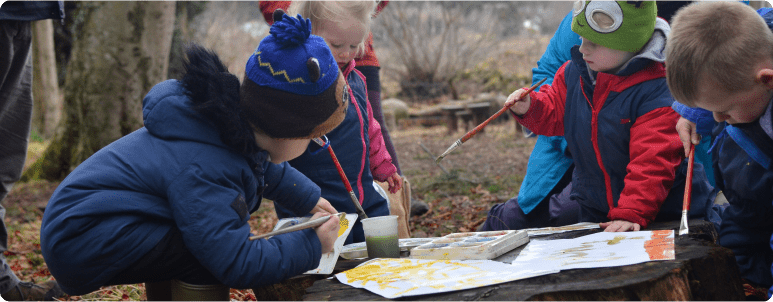
If we want children to believe “mistakes help me grow”, we need to ask ourselves what we say when we get things wrong.
If I can offer children kindness, patience and an understanding of their humanness when they make mistakes, then I need to extend that same grace to myself – and model it openly.
So I’ll leave you with this question:
How far are you up the hill with your heavy cart – and who are the people who are pushing alongside you?