
- customer-service@salugen.uk
- +44 (0) 7948-972550
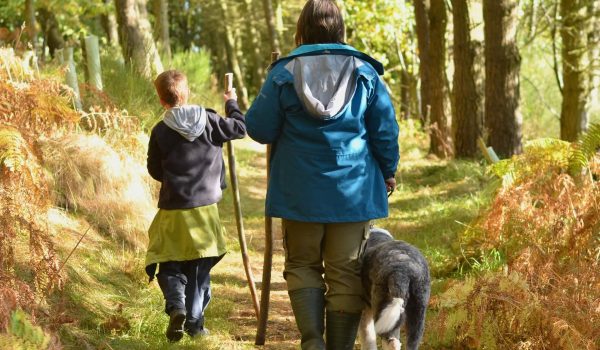
Nature Nurture is a nurturing intervention that takes place outdoors in natural environments. Nature Nurture promotes resilience and improved wellbeing for vulnerable individuals through carefully attuned nurturing, exciting challenges and nature connection. We facilitate and support learning and development through free play and child-led curiosity and exploration.
The Nature Nurture approach has evolved through research and experience. In this course, we will share the current research in neuroscience, trauma, ACEs, nature therapy, Forest School, outdoor play and child development. We will also share our knowledge and experiences from our extensive practice in working with children and young people in schools and through social work and health referrals.
This course is designed to teach you the core facets of the Nature Nurture approach. It will teach you about essential practice, offer detailed guidance on developing and implementing your own Nature Nurture sessions and provide the best tools and strategies for recording and tracking outcomes for the children you work with.
While the Nature Nurture Project began as a targeted intervention, it’s become clear that all children benefit from this approach. Many now face challenges with anxiety, emotional regulation, and resilience—regardless of their backgrounds. That’s why we’ve developed this course: to help early years practitioners, group leaders, and teachers bring the benefits of Nature Nurture to their whole class or group.
Resilience is defined as ‘the mental, emotional and physical fortitude to recover from adversity and realise potential’. We have developed an understanding of the environmental conditions which promote wellbeing and resilience. Through close and concise observation of children and the continuous evaluation of their care outcomes, we put forward a model for an effective therapeutic climate.
We will demonstrate what is required for awareness and communication of emotions. The first emotions that are named by children are generally ‘happy’, ‘sad’, ‘angry’, and ‘frightened’, but how do they make links between the trigger, the emotion word and their behaviour in response to that emotion? How do I foster that growing self-awareness and recognition of emotional literacy as a positive characteristic?
The first question we will ask is, ‘How do you define behaviour?’ Can you describe what you see rather than how it makes you feel or how you interpret the motivation of the individual who displayed the behaviour? Are you able to maintain an open mind in your search for understanding how and why people are motivated to behave in the ways they do?


If you have any questions or need further information about our training, feel free to reach out. We’re here to help you every step of the way.