
Emotional Literacy, Neurodiversity and the Power of Going Outside

Today I’m preparing the Nature Nurture in Action session on Emotional Literacy, which I’ll be delivering to our Aberdeenshire Council Nature Nurture Practitioners as part of their ongoing professional learning. This is the fifth module in the programme, and in this first session we explore what emotional literacy really means — and how it can be meaningfully supported through outdoor play and nature-based practice.
Although I first wrote this course five years ago, each delivery is refreshed and renewed as my own professional learning deepens. This week, my curiosity was sparked by the BBC Radio 4 podcast Child, written and presented by India Rakusen. This thoughtful series explores the developing emotional lives of toddlers, and one recent episode focusing on sadness also examined the emergence of empathy and the role of social and emotional learning (SEL) programmes in schools.
Emotional literacy and emotional development have long been areas of deep interest for me, and I’ve always advocated for this learning to take place both in classrooms and outdoor spaces. Listening to this episode prompted me to revisit my presentation on Emotional Literacy within Nature Nurture.
Inspired by Dan Siegel’s well-known phrase “name it to tame it”, alongside Stuart Shanker’s work on self-regulation through the Self-Reg approach, my practice has focused on helping children recognise and name emotional states in themselves and others. Central to this is the role of the trusted adult — offering gentle, responsive co-regulation before children are ever expected to self-regulate.
Over the years, programmes such as Zones of Regulation, Emotion Works and Self-Reg have influenced my thinking. However, some SEL approaches have also left me feeling uneasy — a discomfort I couldn’t fully articulate until listening to Child.
Two key issues stood out. The first is that many SEL programmes are developed within Western cultural frameworks (often in the United States), assuming a shared cultural understanding of emotional expression and meaning. The second is that neurodivergent children and young people are frequently expected to learn and adapt to these frameworks — with little reciprocal expectation that neurotypical individuals learn to understand neurodivergent emotional experiences and communication.
Those of us who live or work alongside neurodivergent children spend a great deal of time navigating this complexity with care and commitment. Yet offering an ASN teacher a generic SEL programme developed overseas can feel like handing someone a French phrasebook and expecting it to help them navigate Beijing. The language is different. Emotional expression is deeply individual. Universal systems can muddy understanding — and at times create misunderstanding, frustration or distress.
So what’s the answer?
By now, you’ll not be surprised to hear mine: go outside.
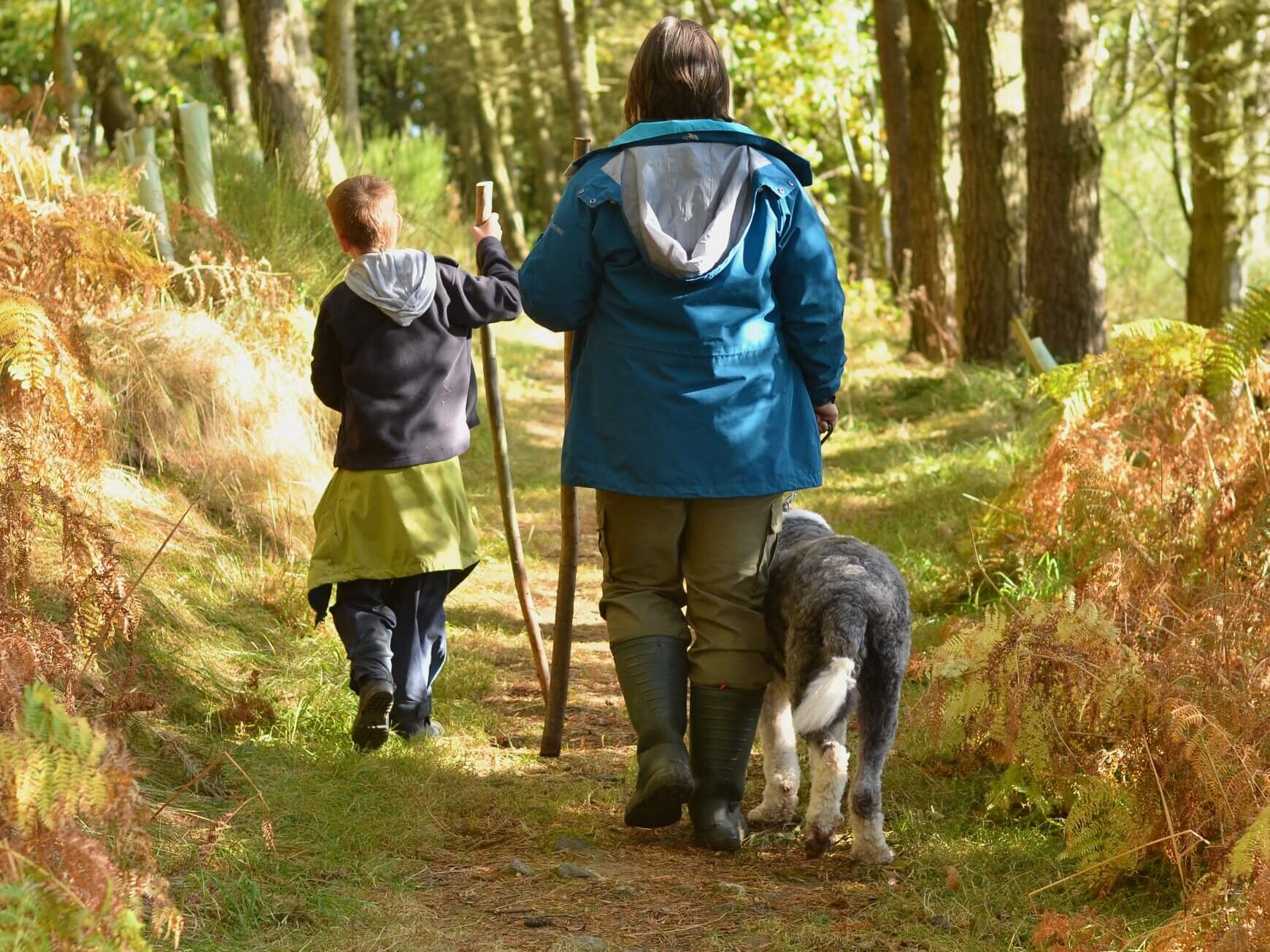
Being outdoors naturally supports emotional regulation, social and emotional learning, and gives us the time, space and calm needed to learn one another’s emotional languages. Nature Nurture does not offer worksheets, videos or lectures. Instead, it offers walks in nature — where greenspace and bluespace help soothe stressed bodies and minds.
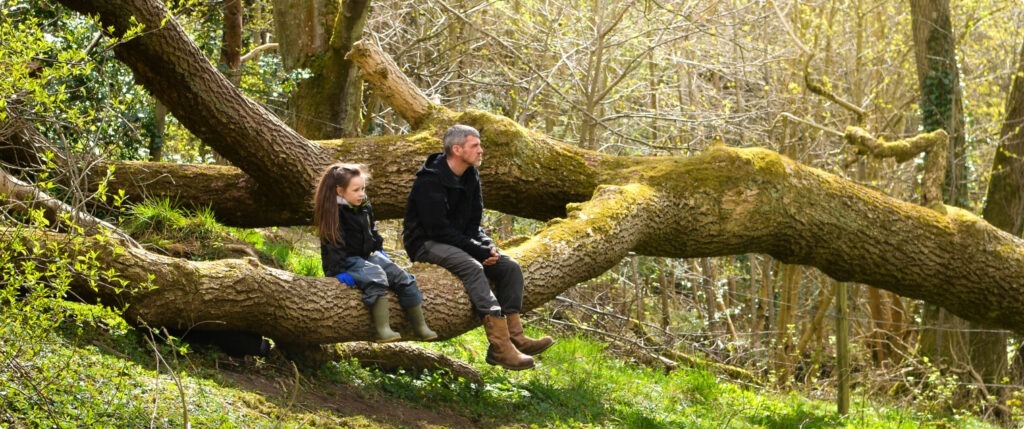
We walk and talk. There is no pressure for eye contact or direct confrontation — just the shared experience of moving side by side, listening empathically. In these moments, we notice emotional states in ourselves and others. We find the words for feelings. We learn how each person uniquely expresses emotion — naming and taming with compassion, respect and curiosity.
Outdoor spaces also allow for movement and proximity as tools for regulation. Indoors, children are often confined — in small rooms at home or crowded classrooms where noise, closeness and competing emotional signals can overwhelm. Outside, children have choice. They can step closer or move away, engage or pause, regulate their own bodies and emotions at their own pace.
This is Nature Nurture Emotional Literacy — developing emotional understanding through relationship, movement, space and nature. It builds respect for self and others and supports confidence and emotional wellbeing as lifelong skills.
Over the coming weeks, our Nature Nurture Practitioners will continue to explore these ideas and develop meaningful, inclusive strategies to support the emotional development of the children in their care.